
Most of the wood we live and work around (from desks to cupboards) is held together by phenol–formaldehyde adhesives.
The problem is serious and is one the industry can no longer ignore. Formaldehyde is classified as a human carcinogen (IARC Group 1), and phenol is petroleum-derived via the cumene process. Together, they have been driving highly hazardous Volatile Organic Compounds (VOC) emissions, compromising indoor air quality for years.
At altM, we’ve been building deep expertise in biomass fractionation, turning cellulose, hemicellulose, lignin, and silica into high-value applications.
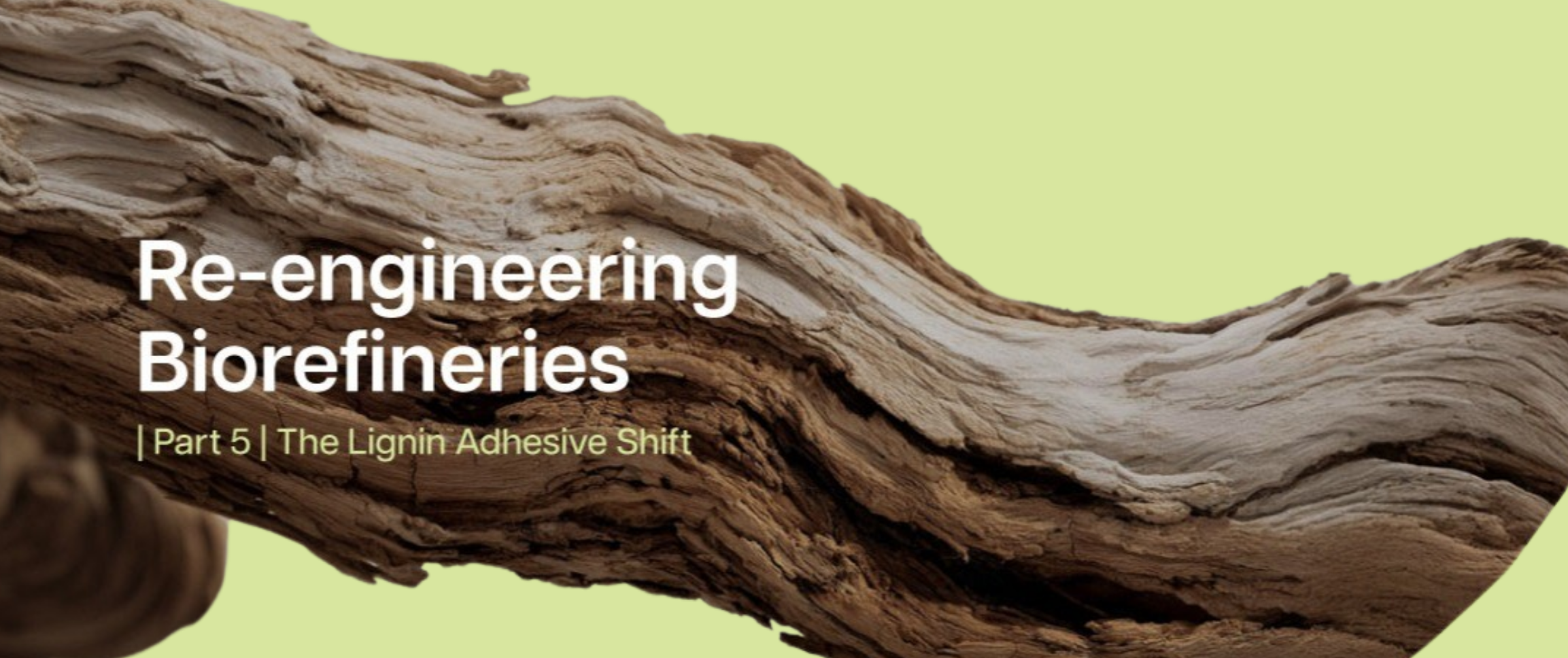
One of our most exciting developments are the lignin-based adhesives for wood panel applications such as plywood, MDF, and particle board.
These have been extensively tested and validated by a government-approved agency. They show strong bonding performance while eliminating dependence on conventional PF resins. Importantly, our lignin-based adhesives eliminate hazardous VOC emissions, creating safer and healthier workplaces and indoor environments.
This shift is no longer an option. From August 2026, EU REACH regulations will cap formaldehyde emissions in wood-based products at ≤ 0.062 mg/m³. Indoor air quality standards such as E1/E0 are increasingly being demanded across both European and Asian markets.
Lignin has long been seen as the “problem child” of biomass — difficult to process, often burned or discarded. By valorizing lignin, a widely available byproduct of India’s biomass supply chain, we’re replacing harmful adhesive incumbents and creating new value streams from it. This is the laying of a new foundation for sustainable wood manufacturing.
We invite wood manufacturers, adhesive formulators, and researchers to collaborate with us on pilot trials and partnerships.
Together, we can make sustainable adhesives the new industry benchmark.